Ho Quoc Pagoda Travel Guide: Quick Summary & Spiritual Itinerary 2026
- Unmissable Spiritual Highlights: Marvel at the magnificent Jade Buddha, climb the iconic dragon staircase flanking the entrance, and catch the island’s most spectacular, meditative sunrise from the main courtyard facing east over the Gulf of Thailand.
- Architectural Masterpiece: Built predominantly from precious ironwood (gỗ lim) using traditional mortise and tenon joinery without a single modern nail, the Truc Lam Ho Quoc Zen Monastery stands as a living museum of Ly and Tran dynasty architectural heritage.
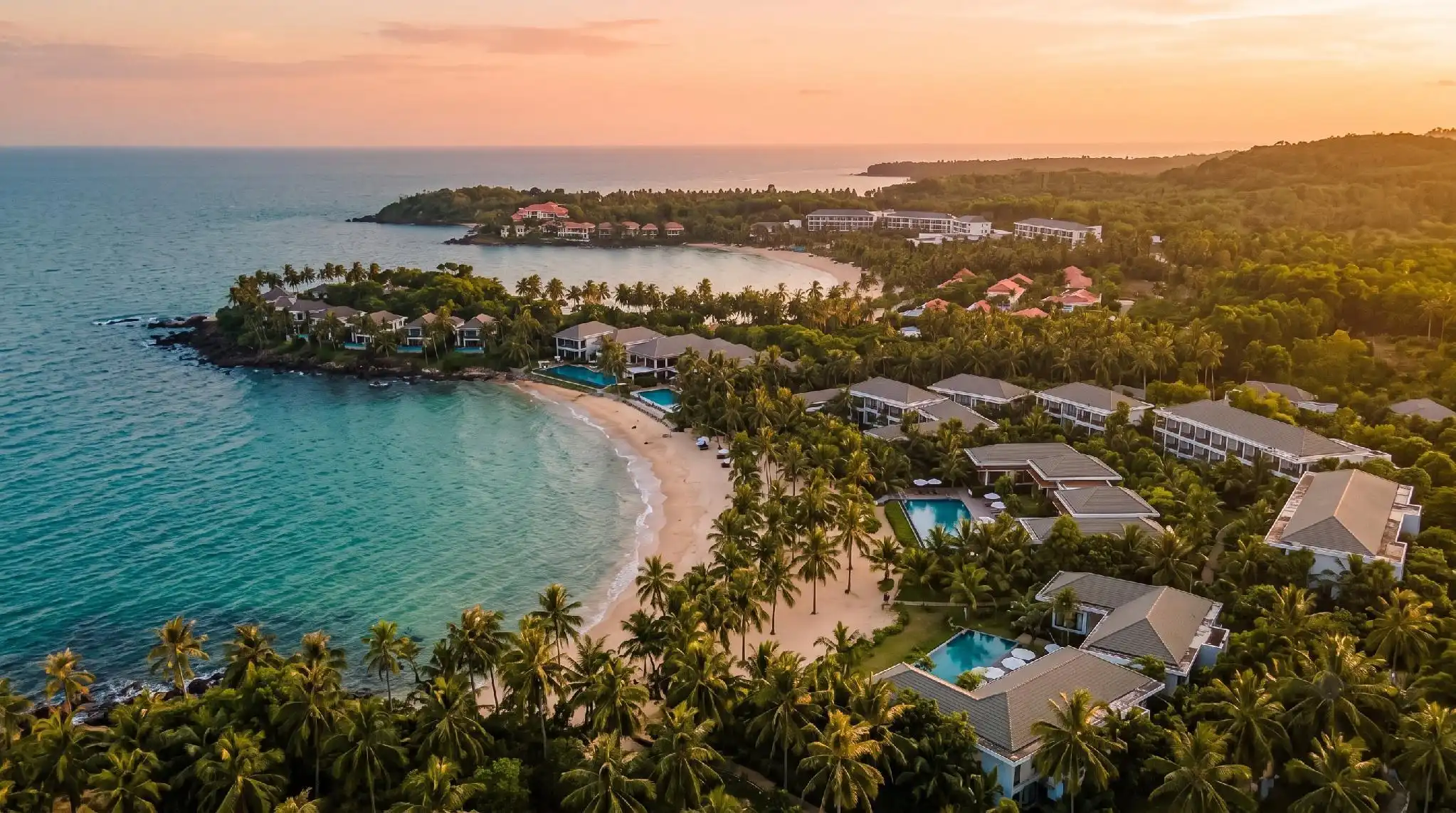
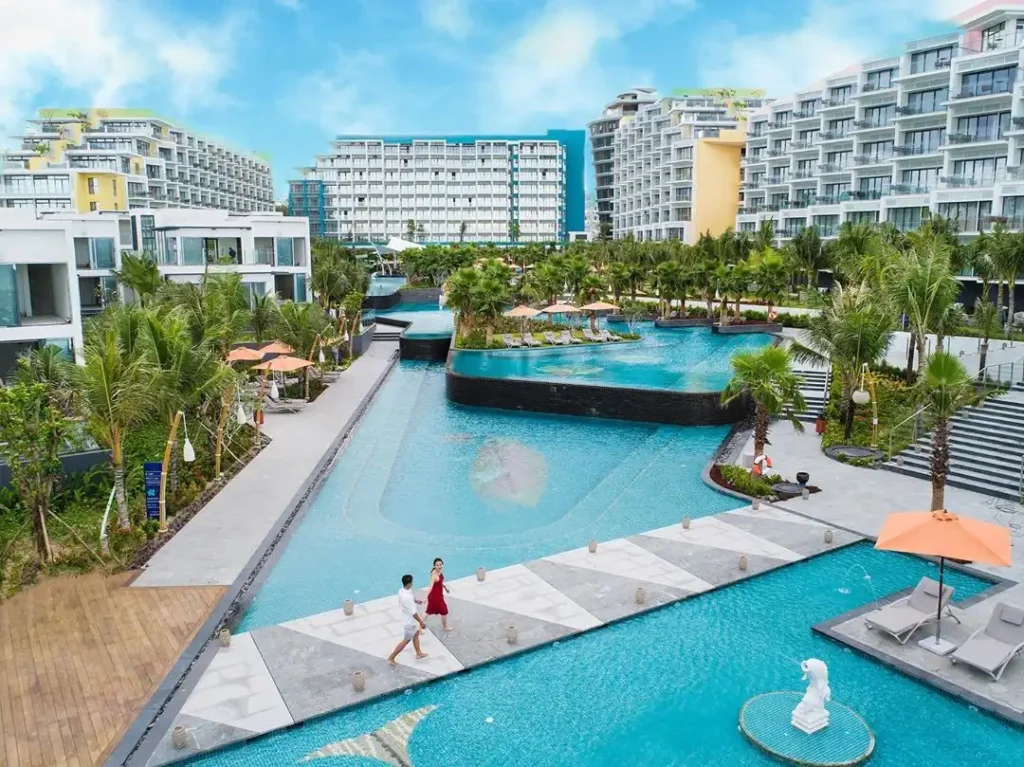
- The Ultimate Southern Hub: Premier Residences Phu Quoc Emerald Bay serves as your perfect luxury sanctuary. Located just a scenic 15–20 minute drive from the pagoda, the resort offers spacious apartment-style suites, a 5,000m² multi-level infinity pool, and restorative treatments at the Emerald Spa.
- Explore the South Island: Seamlessly combine your cultural pilgrimage with nearby attractions on the southern coast, including the powdery white sands of Khem Beach and Sao Beach, the historical Phu Quoc Prison, or traditional local pepper farms and fish sauce factories.
Introduction to Ho Quoc Pagoda (Truc Lam Ho Quoc Zen Monastery)
Ho Quoc Pagoda, formally known as Truc Lam Ho Quoc Zen Monastery, is the largest and most serene Phu Quoc Pagoda on the island. Inaugurated in 2012 after a swift 14 months of construction, it has quickly become one of the island’s most important landmarks.
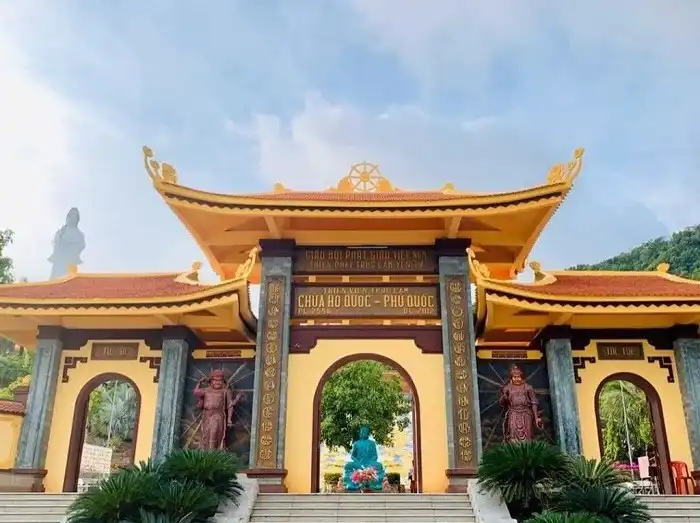
As part of the Truc Lam Zen Buddhist sect, the monastery serves as a vital center for spiritual practice and a peaceful sanctuary for both locals and tourists seeking tranquility.
As part of the Truc Lam Zen Buddhist sect founded by Emperor Tran Nhan Tong, the monastery serves as a vital center for spiritual practice and a peaceful sanctuary for both locals and tourists seeking tranquility away from the bustling beach resorts.
The construction of this grand complex was a significant undertaking, with an investment of over 100 billion VND, largely funded by donations. The vision behind this pagoda in Phu Quoc was to create a spiritual anchor for the island’s residents and seafaring communities, a place to pray for peace and safe voyages.
Its establishment has profoundly enriched the island’s cultural life, making it a prominent destination among the revered phu quoc pagodas and temples.
The Unique Appeal: Why Ho Quoc Pagoda is a Must-Visit
The immense popularity of Ho Quoc Pagoda stems from a unique combination of its awe-inspiring location, magnificent architecture, and profound sense of peace. Its distinct characteristics offer a multifaceted experience that appeals to every type of visitor.
The Stunning “Mountain Leaning, Sea Facing” Location
The most captivating feature of Ho Quoc Pagoda Phu Quoc is its exceptional Feng Shui location, described in Vietnamese as “tựa sơn hướng hải” – leaning against the mountain and facing the sea. The pagoda is built on a serene mountainside that slopes gently down towards the turquoise waters of the Gulf of Thailand.
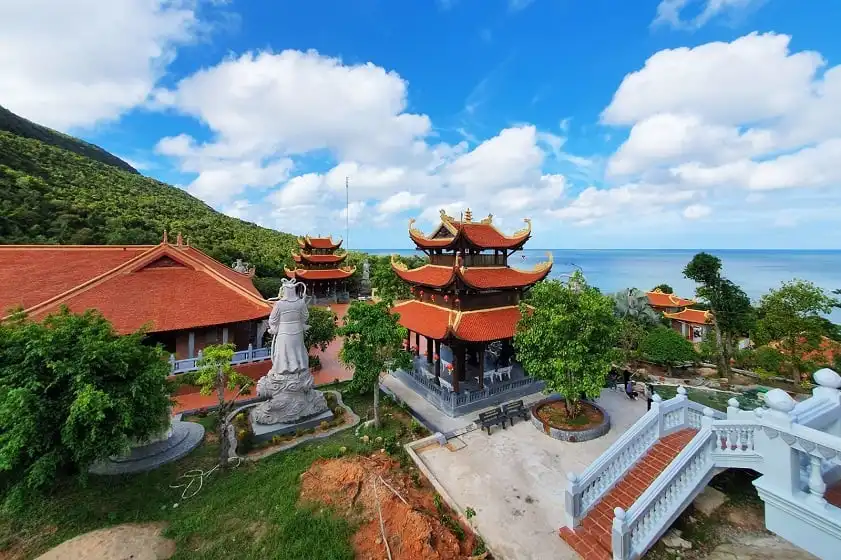
This positioning creates an unobstructed, panoramic view of the ocean from the pagoda’s courtyards. The constant, gentle sea breeze, combined with the verdant mountain backdrop, creates a refreshing and calming atmosphere that immediately puts the mind at ease.
Architectural Grandeur: A Masterpiece of Wooden Craftsmanship
The architecture of the Ho Quoc Temple Phu Quoc is a breathtaking tribute to the traditional styles of the Ly and Tran dynasties. The entire complex is constructed predominantly from precious ironwood (gỗ lim), renowned for its incredible durability and beautiful grain.
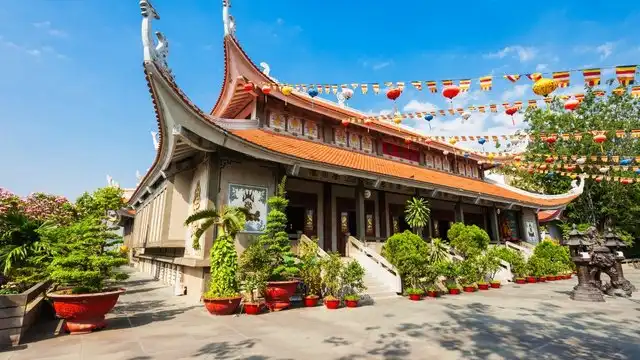
What makes the structure truly remarkable is the meticulous craftsmanship. The massive pillars, intricate rafters, and ornate doors were assembled using traditional mortise and tenon joinery, without the use of a single modern nail. This ancient method not only showcases the incredible skill of the artisans but also ensures the temple’s longevity for centuries to come.
Every corner of the pagoda reveals exquisite details, from the traditional terracotta roof tiles with gracefully curved eaves to the intricate carvings of dragons and Buddhist symbols on the doors and walls.
The massive, polished wooden pillars supporting the main hall, some nearly a meter in diameter, create a sense of grandeur. This masterful use of wood makes the pagoda not just a religious site but a living museum of Vietnamese architectural heritage.
📊 Cultural Tourism Insights
According to the 2026 Phu Quoc Regional Cultural Heritage Report, over 85% of international visitors highlight the intricate, nail-less ironwood craftsmanship and the soothing sea breezes as the primary factors that enhance their overall sense of peace and mental clarity during their visit.
💡 Photography Hack
To capture the raw texture and majestic scale of the polished ironwood pillars, set your smartphone camera to portrait mode and shoot from a low angle. The natural morning sunlight filtering through the side doors creates a spectacular contrast against the dark timber.
The Most Breathtaking Sunrise Spot on Phu Quoc Island
While Phu Quoc is famous for its western-facing sunsets, Ho Quoc Pagoda offers the island’s most spectacular and spiritually uplifting sunrise experience. Facing east, the pagoda’s main courtyard provides a perfect, elevated vantage point to witness the sun emerge from the sea.
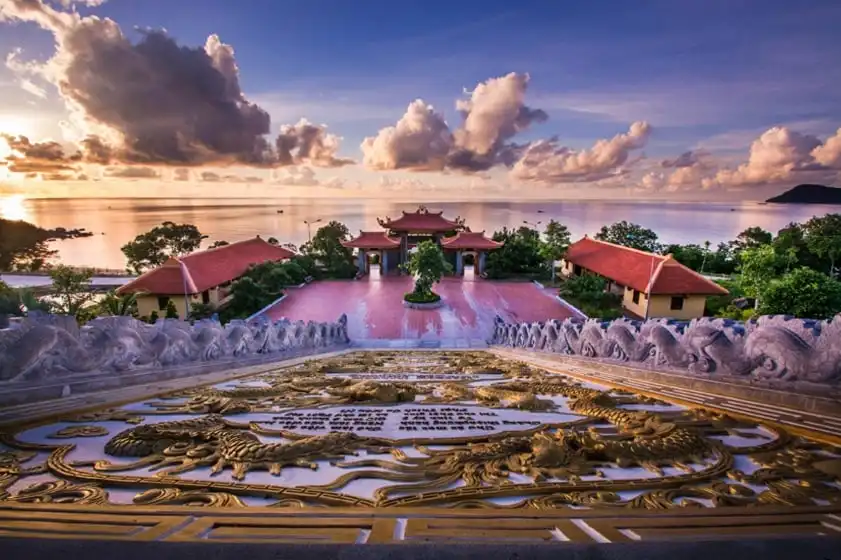
As the first rays of light appear, they cast a golden glow across the water, gradually illuminating the sky in hues of orange, pink, and purple. This soft morning light catching the curved temple roofs creates a scene of profound beauty.
To fully experience the ho quoc pagoda sunrise, visitors should aim to arrive between 5:00 AM and 5:15 AM. The pre-dawn stillness, often accompanied by the rhythmic chanting of the resident monks, adds a deeply meditative quality to the experience. Watching the new day begin from this sacred space offers a sense of peace and renewal that is completely different from the lively energy of the island’s sunset bars.
🌅 Sunrise Attendance Trends
Internal guest registers for early 2026 indicate that approximately 40% of wellness-focused couples staying in South Phu Quoc depart their resorts before dawn specifically to catch the Hộ Quốc sunrise, making it the highest-rated spiritual morning excursion on the island.
💡 Pre-Dawn Logistics Tip
Because the winding coastal road leading up to the pagoda has no streetlights, driving a motorbike in the dark can be challenging. For safety, book a private resort car or a trusted local taxi the night before to ensure a smooth, secure pre-dawn journey.
A Place of Peace, Serenity, and Spiritual Reflection
Beyond its physical beauty, the true essence of Ho Quoc Pagoda lies in the profound sense of peace that permeates the entire complex. From the moment you step through the main gate, the chaotic energy of the outside world seems to fade away, replaced by an atmosphere of calm and reverence.
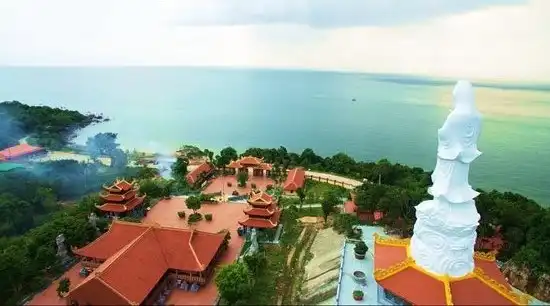
The gentle scent of burning incense, the soothing sound of the large temple bell ringing periodically, and the constant whisper of the sea breeze all contribute to a deeply meditative environment.
Visitors are encouraged to walk slowly, speak softly, and take the time to find a moment of inner peace. For many, a visit here is not just a sightseeing activity but a therapeutic experience, offering a much-needed spiritual respite.
What to See and Experience Inside Ho Quoc Pagoda
The sprawling grounds of the pagoda are filled with remarkable structures and religious artifacts, each deserving of careful observation. Here is what you can expect to discover as you explore the complex.
The Grand Main Hall and Its Impressive Wooden Pillars
The heart of the monastery is the Dai Hung Bao Dien, or the Grand Main Hall. As you step inside (after removing your shoes as a sign of respect), you are greeted by a vast, cool space dominated by colossal ironwood pillars, each so large it would take two people to encircle.
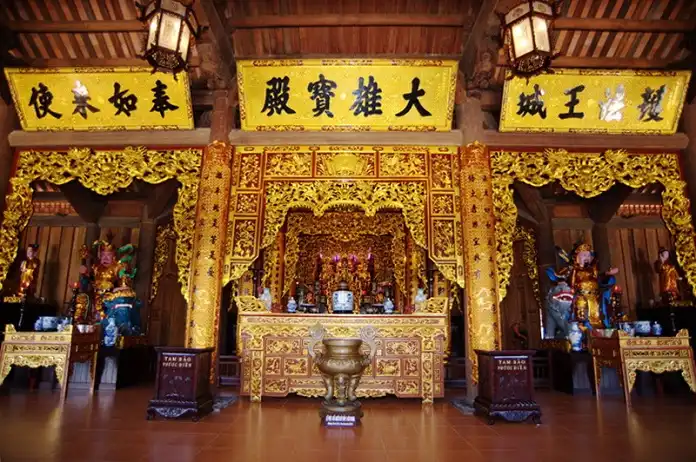
These pillars support an intricately designed roof structure with elaborate carvings. The central altar is the focal point, featuring a magnificent, serene statue of the Amitabha Buddha flanked by other important Buddhist figures. The sheer scale of the hall, combined with the exquisite craftsmanship, is designed to inspire awe and quiet contemplation.
The Elaborate Dragon Staircase Leading to the Entrance
To reach the main courtyard, visitors must ascend an impressive staircase of over 70 stone steps. The stairway, known as the dragon staircase Phu Quoc, is flanked by two intricately carved stone dragons that seem to flow down its entire length. In Vietnamese culture, the dragon is a powerful symbol of power, nobility, and divine protection, making the staircase a symbolic gateway to the sacred space above.
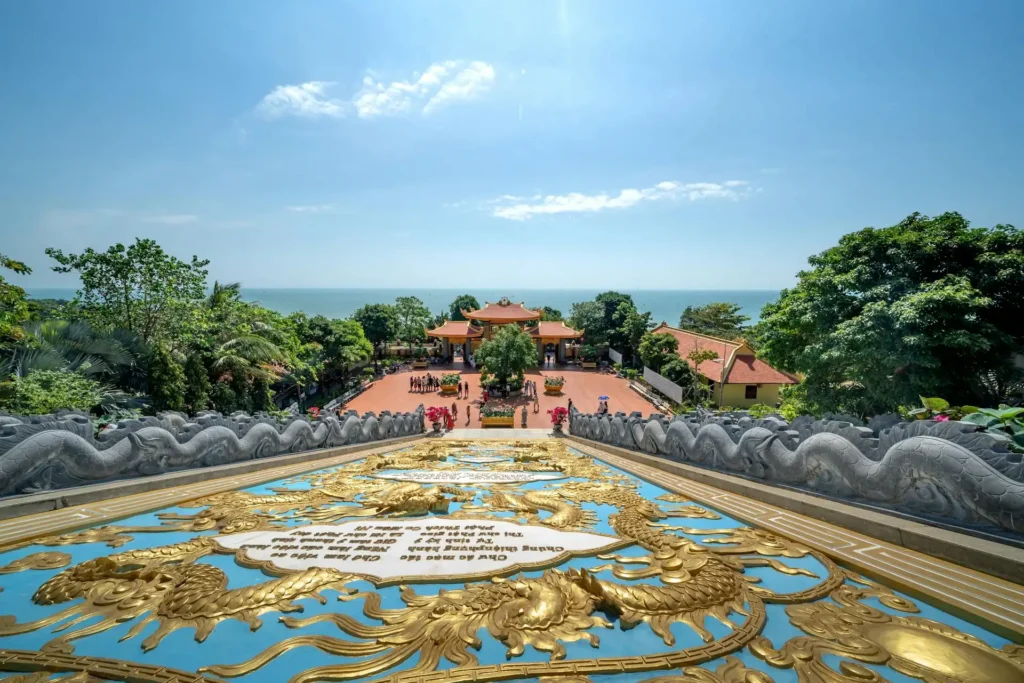
The craftsmanship of the dragon carvings is remarkable, with detailed scales and powerful expressions. The staircase itself offers a fantastic photo opportunity, with the grand Tam Quan gate at the top and the vast blue sea visible behind. The physical act of climbing builds a sense of anticipation and reverence before you even enter the main grounds of the Ho Quoc Pagoda.
👟 Midday Heat Advisory
Independent travel platform data from 2026 reveals that climbing the 70 stone steps between 11:00 AM and 2:00 PM exposes visitors to intense heat reflection, as the stone stairs retain direct solar radiation.
💡 Health & Comfort Tip
Wear comfortable, slip-resistant walking shoes rather than flip-flops to safely navigate the stone steps. Additionally, remember to carry a bottle of water and a sun umbrella, as the wide dragon staircase offers absolutely no shade from the midday sun.
The Exquisite Jade Buddha and Statues of the 18 Arhats
Within the main hall, one of the most precious treasures is the Jade Buddha statue. Carved from a single block of rare, milky-green jade, this statue is a masterpiece of sculpture, radiating a sense of peace and compassion.
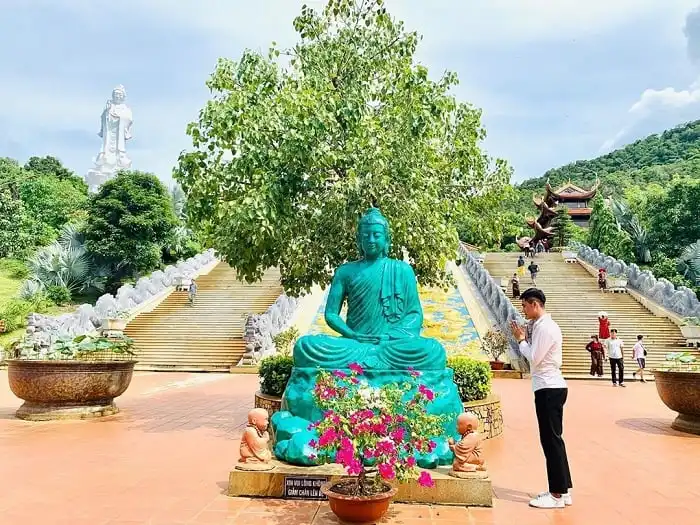
Lining the corridors and pathways are the stone statues of the 18 Arhats, the original disciples of the Buddha who have attained enlightenment. Each statue is unique, depicting a different Arhat with a distinct posture and expression. This corridor provides a wonderful opportunity to learn about key figures in Buddhist lore while admiring the skill of the sculptors.
The Bell Tower and Panoramic Views of the Ocean
To the side of the main hall stands the impressive bell tower, or Thap Chuong. This traditional wooden structure houses the Dai Hong Chung, a massive bronze bell that weighs over a ton. Its deep, resonant tone can be heard across the complex, calling the monks to prayer.
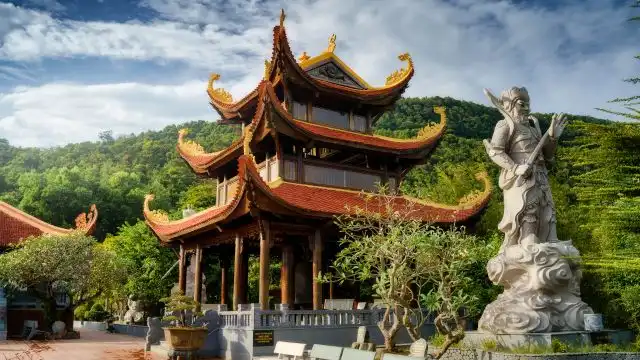
Visitors can climb the steps of the bell tower to get a closer look at this magnificent instrument. More importantly, the tower serves as an excellent lookout point. From its upper level, you are rewarded with one of the best panoramic views the pagoda has to offer, providing a breathtaking perspective of the monastery’s harmonious integration with the ocean.
Essential Information for Planning Your Visit
To ensure your visit to Ho Quoc Pagoda is smooth and respectful, it’s important to be aware of the practical details. Here is all the essential information you need for your trip.
How to Get to Ho Quoc Pagoda

Knowing how to get to Ho Quoc Pagoda is straightforward as it is a major landmark. Located in Suoi Lon hamlet, Duong To commune, it is situated on the island’s eastern side, south of the main Duong Dong town.
- By Motorbike: This is the most popular and flexible option for independent travelers. The ride from Duong Dong town is approximately 25 kilometers and takes about 40-45 minutes. The roads are paved all the way, but the final stretch is a winding coastal road, so careful driving is advised.
- By Taxi or Ride-Hailing App: Taking a taxi or using Grab is a comfortable and convenient option, especially for families. A one-way trip from Duong Dong will cost around 250,000 – 350,000 VND. From the An Thoi area or Khem Beach, the pagoda is much closer (about 10-15 km), making the taxi fare more affordable.
- By Private Car or Tour: For a hassle-free experience, you can hire a private car with a driver for a half-day or full-day tour, which often includes the pagoda as a key stop along with other southern attractions.
*Prices are for reference only and may change without notice. Please contact us directly for current rates.
Best Time of Day and Year to Visit
The best time of year to visit is during Phu Quoc’s dry season, which runs from November to April. During this period, you are almost guaranteed clear blue skies and calm seas, which makes the scenery even more spectacular. The weather is pleasant and not overly humid, perfect for exploring the outdoor grounds of the pagoda.
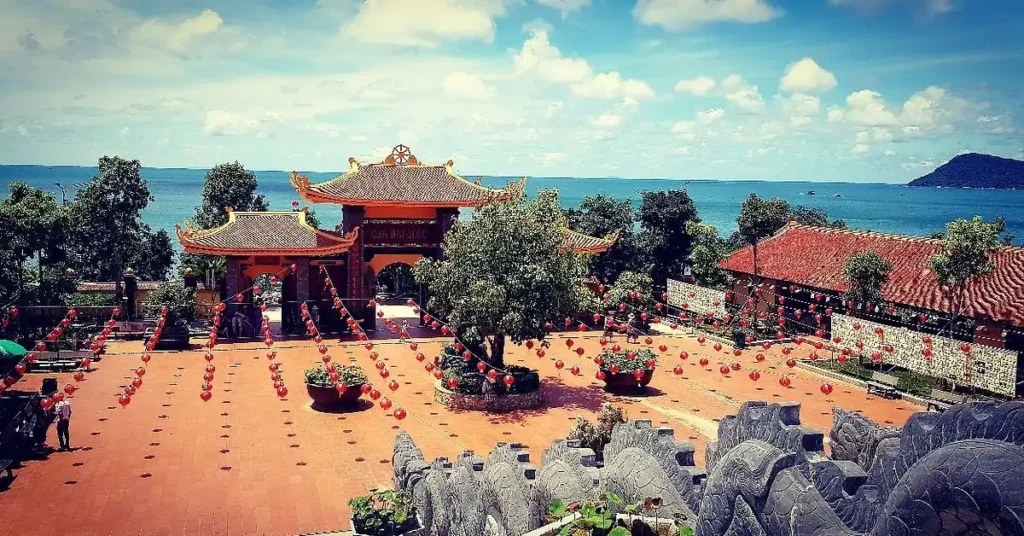
The best time of day to visit is undoubtedly at sunrise (around 5:15 AM – 6:00 AM) for the most magical and spiritual experience. If you are not an early riser, the next best times are in the early morning (7:00 AM – 9:00 AM) or late afternoon (3:30 PM – 5:00 PM). Visiting during these times allows you to avoid the intense heat of the midday sun and the largest tourist crowds, ensuring a more peaceful and enjoyable visit.
Opening Hours and Entrance Fee Information
One of the most wonderful things about visiting Ho Quoc Pagoda is that it is open to the public completely free of charge. There is no entrance fee required to enter the complex and explore its grounds.
For those planning their trip, the Ho Quoc Pagoda Phu Quoc opening hours 2026 are expected to be from approximately 6:00 AM to 6:00 PM daily. This generous access allows everyone, regardless of budget, to experience the beauty and serenity of this sacred place. While there is no fee, donation boxes are available throughout the temple for those who wish to contribute to the monastery’s upkeep.
Important Dress Code and Etiquette Rules to Follow
As Ho Quoc Pagoda is an active place of worship, it is crucial to show respect by adhering to the dress code and rules of etiquette. This ensures that your visit does not disrupt the solemnity of the space or offend the resident monks and other worshippers.
- Dress Code: Visitors must dress modestly. This means clothing should cover both the shoulders and the knees. T-shirts are acceptable, but tank tops, singlets, shorts, and short skirts are not appropriate. It is best to wear long trousers, a long skirt, or a dress. If you arrive in inappropriate attire, the pagoda sometimes offers sarongs for rent or loan, but it is always better to come prepared.
- Etiquette: Remove your shoes and hat before entering the main prayer hall. Walk slowly and speak softly throughout the complex to maintain the peaceful atmosphere. Do not run, shout, or point your feet towards the altars or Buddha statues. Always ask for permission before taking photographs of the monks or people who are praying.
*Prices are for reference only and may change without notice. Please contact us directly for current rates.
Read more: Phu Quoc Map: A Comprehensive Guide to Navigate this Island
Attractions to Visit Near Ho Quoc Pagoda
The pagoda’s location in the south of the island makes it a perfect starting point for a day of exploration. Here are some nearby attractions that you can easily combine with your visit.
Khem Beach (Bai Khem) and Sao Beach (Bai Sao)
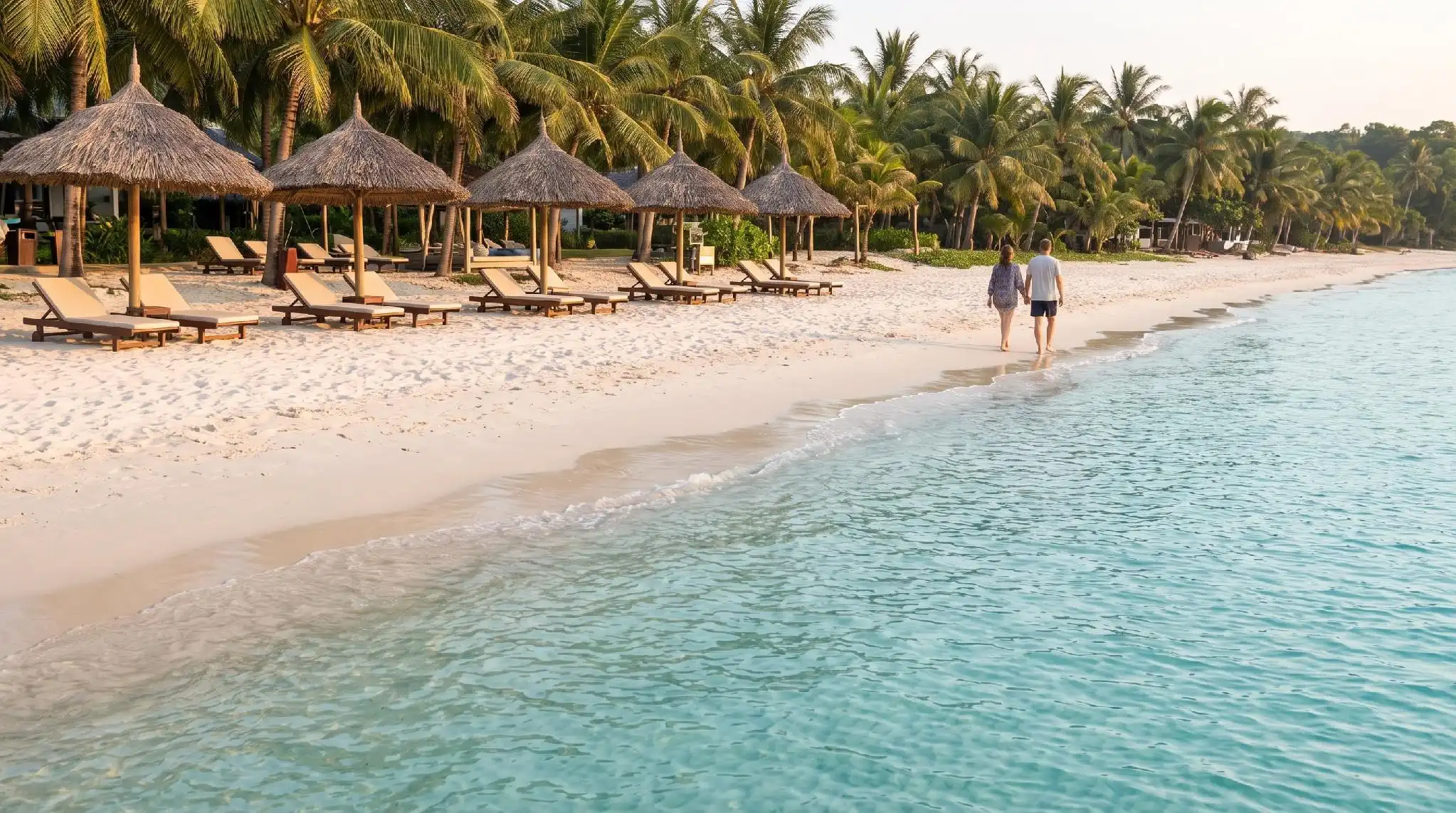
Just a short 10-15 minute drive from Ho Quoc Pagoda are two of Vietnam’s most celebrated beaches: Khem Beach and Sao Beach. Both are famous for their incredibly fine, powdery white sand that feels like cream underfoot and their calm, shallow, turquoise waters.
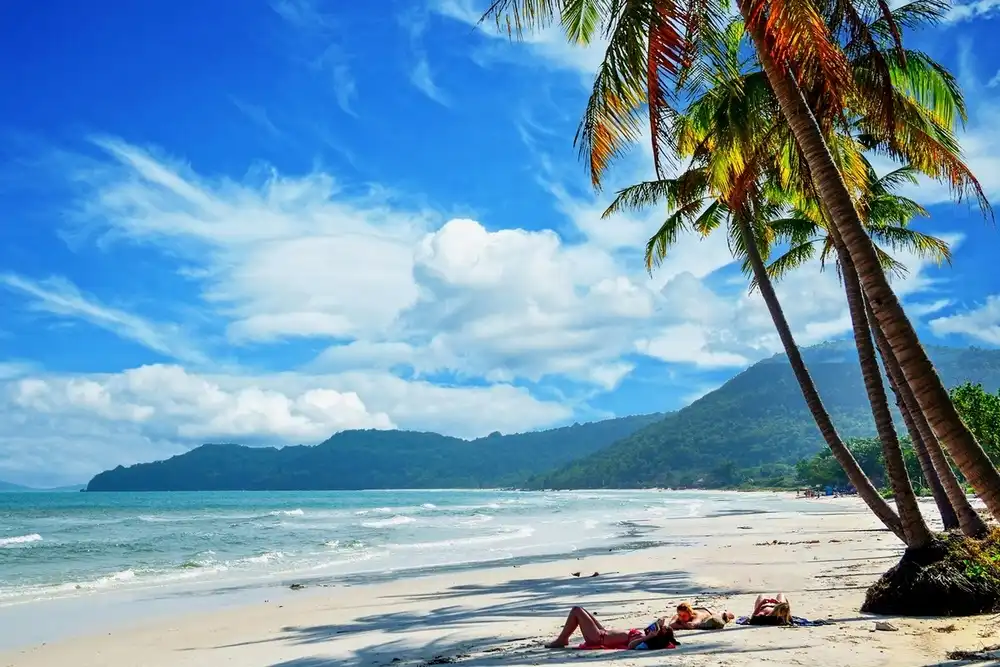
After a morning of cultural and spiritual exploration at the pagoda, spending the afternoon relaxing, swimming, or enjoying a seafood lunch at a beachfront restaurant on either of these idyllic beaches is the perfect way to unwind.
Phu Quoc Prison (Coconut Tree Prison)
Located approximately 10 kilometers from the pagoda, Phu Quoc Prison offers a powerful and sobering contrast to the temple’s tranquility. This historical relic was a notorious prisoner-of-war camp during the Vietnam War.

Today, it serves as a museum that documents the brutal conditions and incredible resilience of the prisoners held there through graphic displays and life-sized mannequins. A visit here provides a profound history lesson and a deeper understanding of Vietnam’s turbulent past, making for a well-rounded day of culture and history.
Local Fish Sauce Factories and Pepper Farms
Phu Quoc is famous for its two main culinary products: fish sauce and black pepper. The southern part of the island is home to several traditional fish sauce factories and pepper farms that are open to visitors.
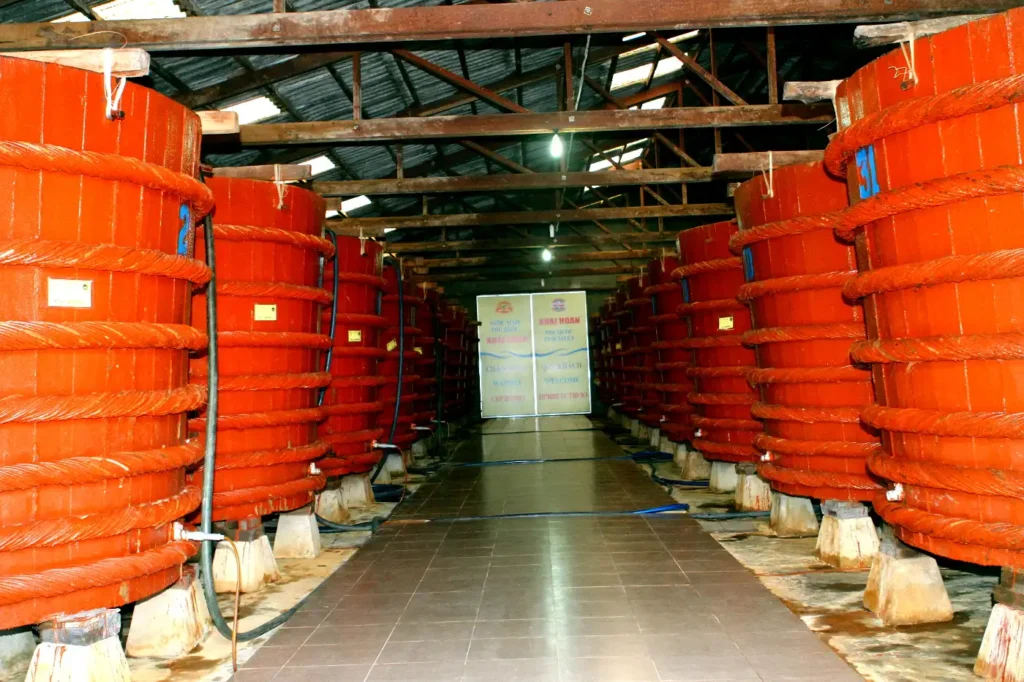
You can easily stop by one of these on your way to or from the pagoda. A tour of a fish sauce factory will engage your senses as you learn about the long fermentation process in giant wooden barrels, while a visit to a pepper farm allows you to see the peppercorns growing on the vine and purchase some of the world’s most aromatic pepper directly from the source.
Read more: Where to Stay in Phu Quoc in 2026?
Where to Stay When Visiting Ho Quoc Pagoda
When visiting the tranquil Ho Quoc Pagoda, choosing accommodation that reflects the same sense of peace and rejuvenation enhances the entire experience.
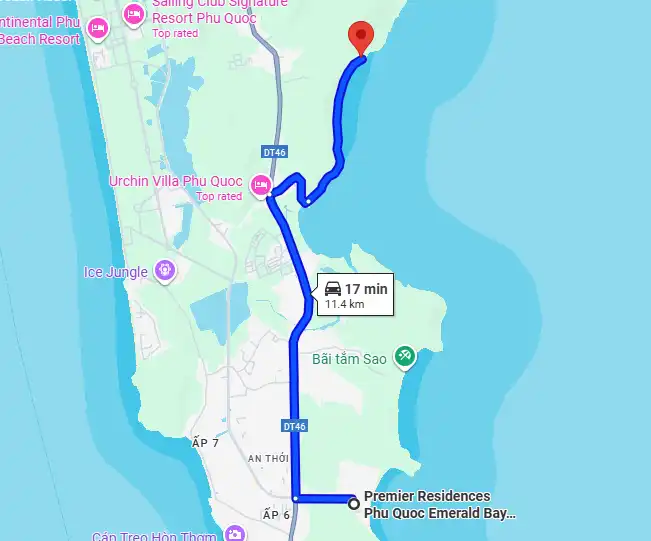
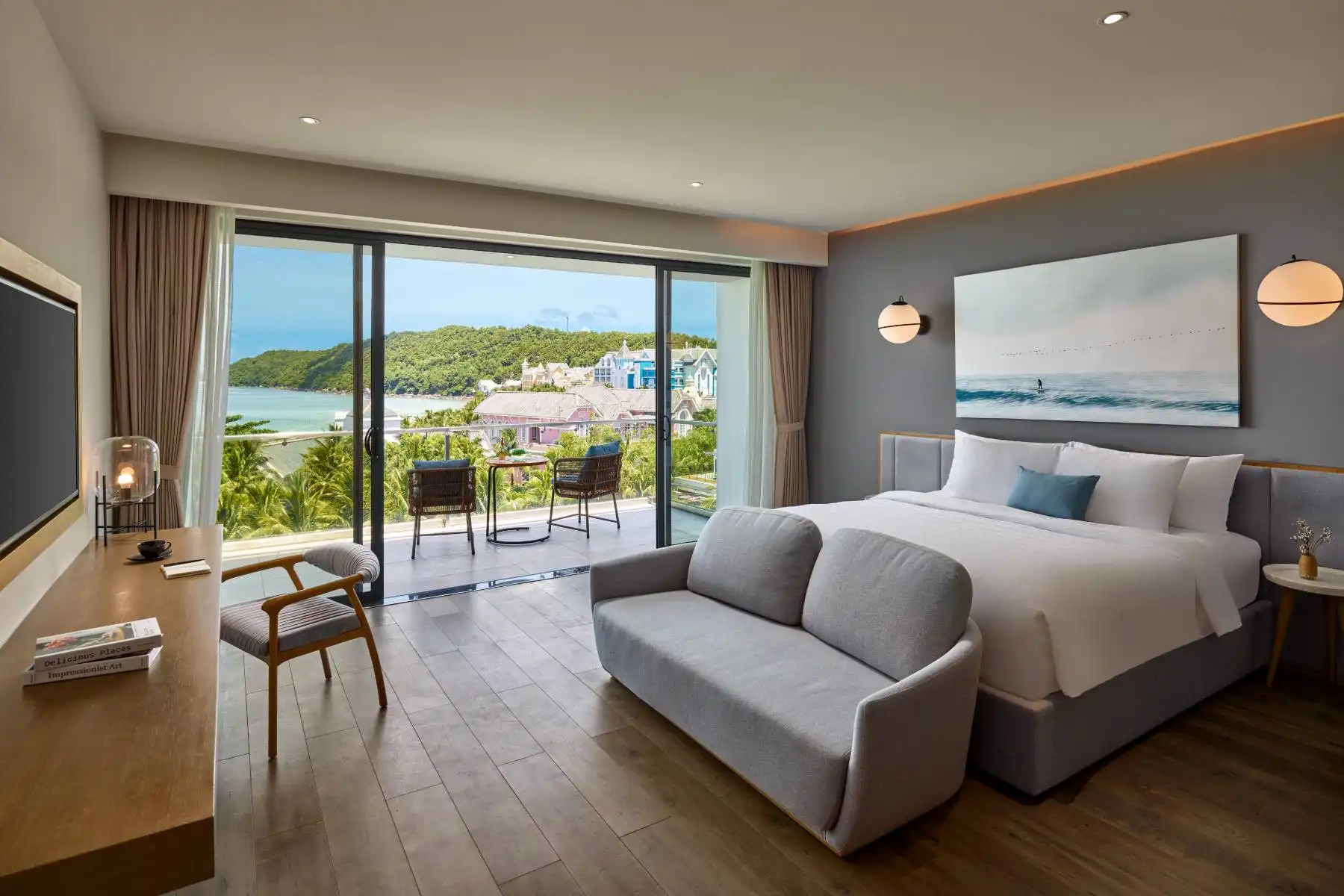
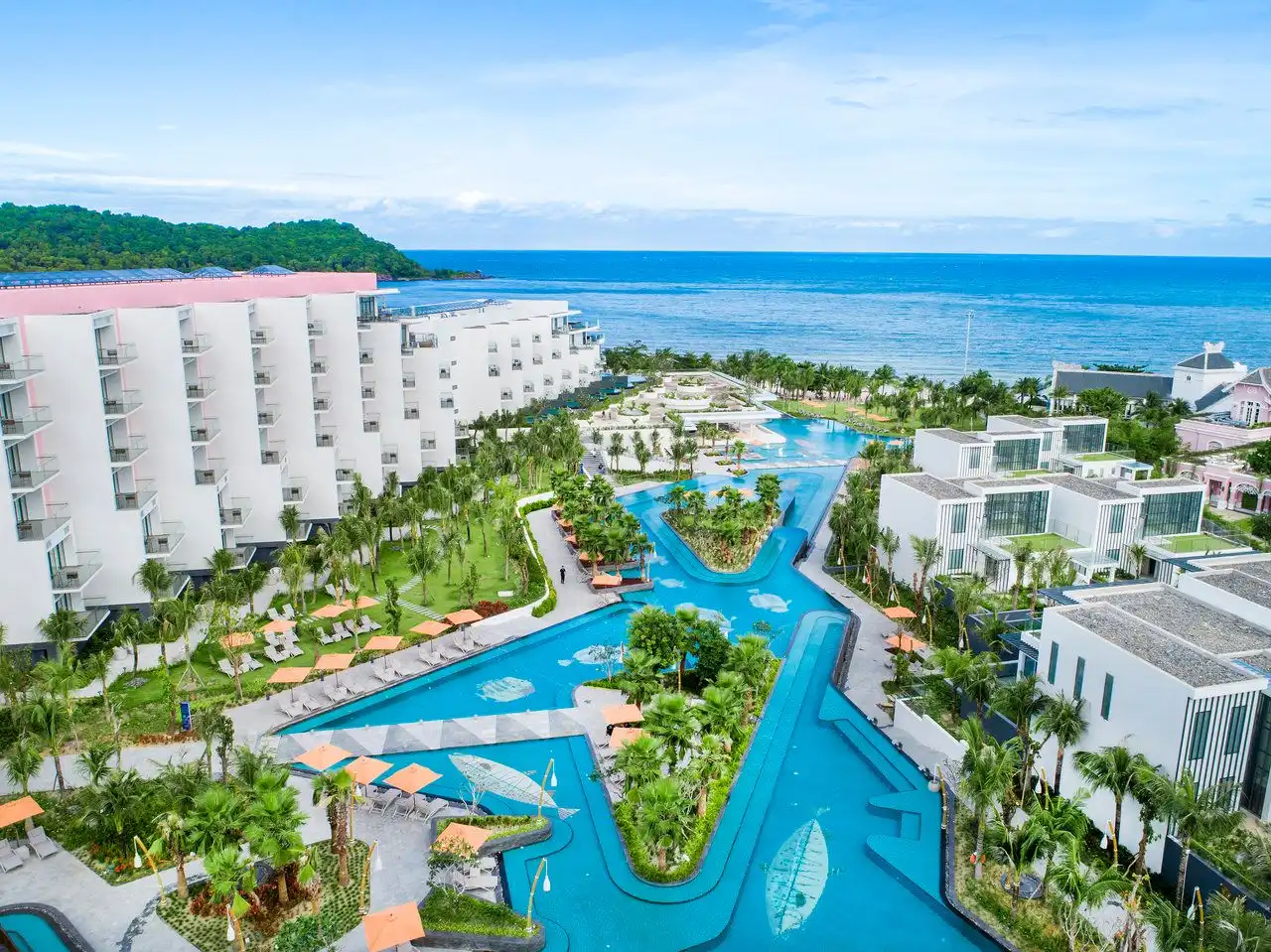
Located just a scenic 15–20 minute drive from the pagoda, Premier Residences Phu Quoc Emerald Bay on the pristine shores of Khem Beach offers the perfect sanctuary for a serene and restorative getaway. Its prime southern location places you close to many of Phu Quoc’s most captivating natural and cultural landmarks, making it an ideal base for both exploration and relaxation.
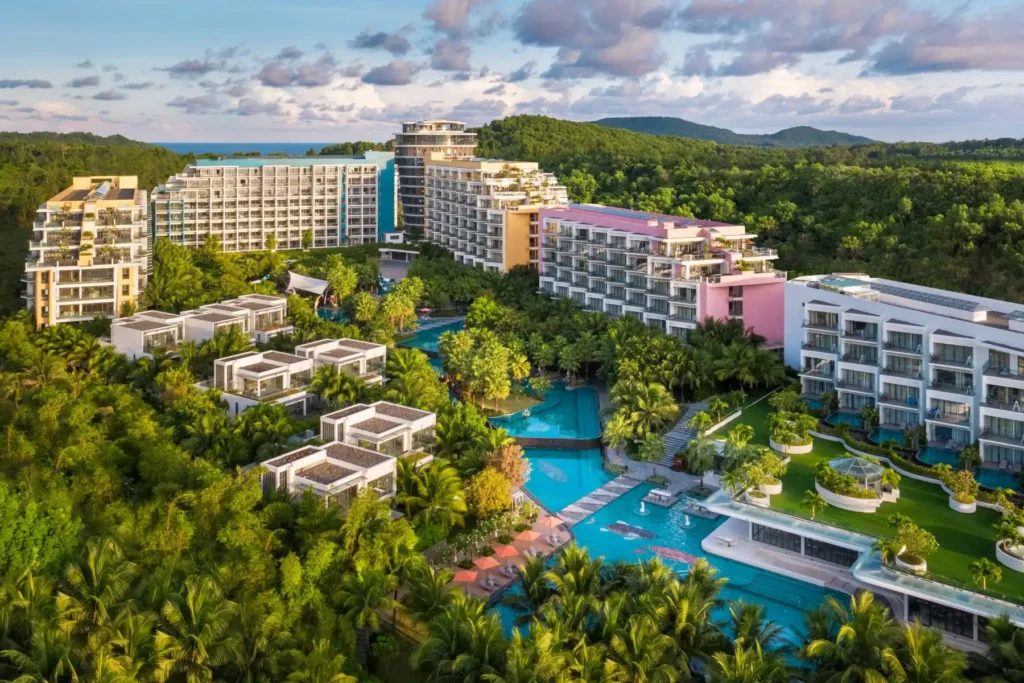
After a morning spent exploring the peaceful grounds of Ho Quoc Pagoda, returning to the serene environment of Premier Residences Phu Quoc Emerald Bay feels like a seamless continuation of the spiritual calm.
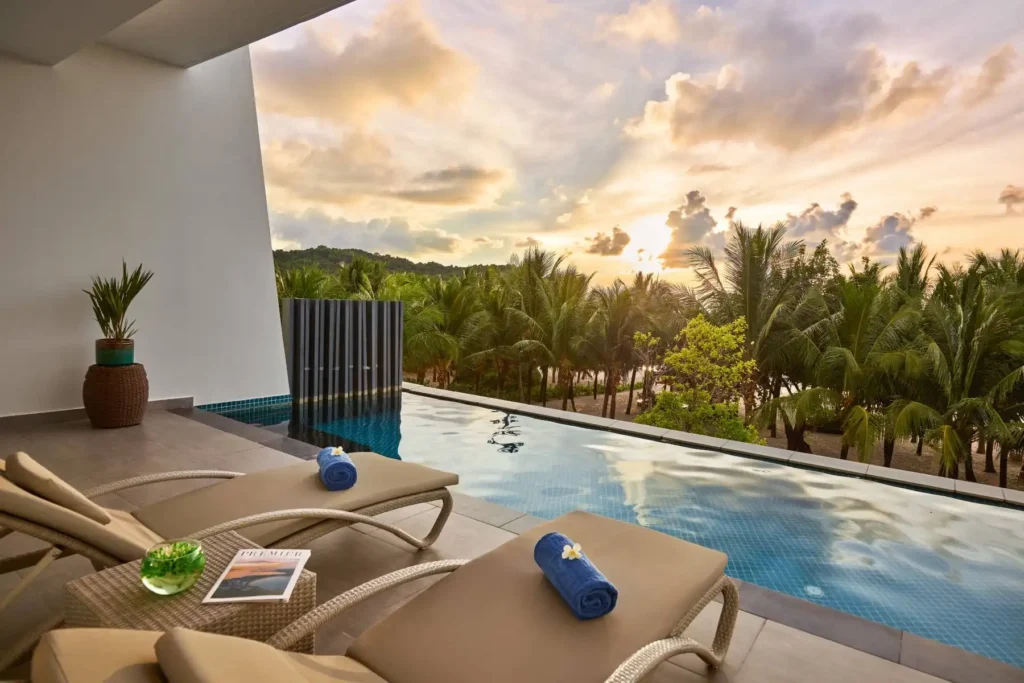
The resort is thoughtfully designed as a modern sanctuary, offering spacious apartment-style rooms and suites that combine contemporary design with subtle local touches. Private balconies overlook the turquoise sea or verdant gardens, providing a soothing backdrop for reflection or quiet relaxation.

To unwind, guests can take a rejuvenating dip in the expansive multi-level infinity pool, where the horizon seems to merge effortlessly with the ocean, or stroll along the powder-soft sands of Khem Beach as gentle waves lap at the shore.
For those seeking deeper relaxation, the Emerald Spa offers a curated selection of therapies and wellness rituals inspired by nature and traditional Vietnamese healing techniques.
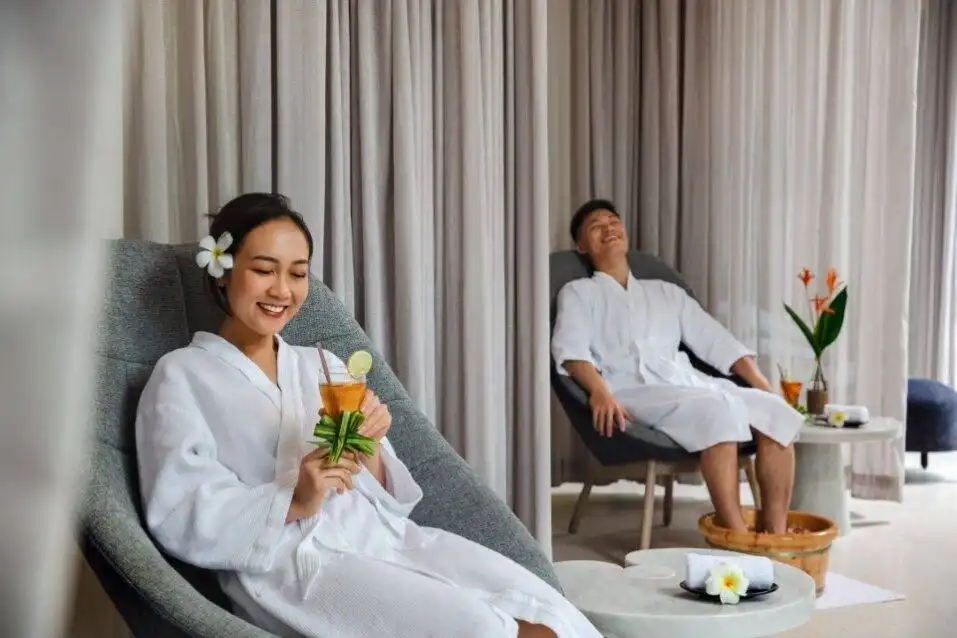
From aromatic massages to revitalizing body scrubs, each treatment is designed to harmonize the body and mind, perfectly complementing the sense of inner peace experienced at Ho Quoc Pagoda.

Combining the spiritual tranquility of Ho Quoc Pagoda with the refined comfort of Premier Residences Phu Quoc Emerald Bay creates a complete and balanced retreat. Here, every moment invites you to slow down, reconnect with yourself, and embrace the gentle spirit of Phu Quoc Island.



Read more: Phu Quoc Solo Travel Guide 2026: Things You Must Know
Conclusion
A visit to Ho Quoc Pagoda is more than a spiritual journey. It’s a serene encounter with Phu Quoc’s culture, history, and breathtaking coastal scenery. From the tranquil temple grounds to the panoramic sea views, every moment offers peace and reflection.
After your visit, continue your retreat at Premier Residences Phu Quoc Emerald Bay, just a short drive away. Enjoy 5-star comfort by the ocean, where relaxation meets elegance. Book your stay today and complete your Ho Quoc Pagoda experience with the perfect blend of serenity and sophistication.